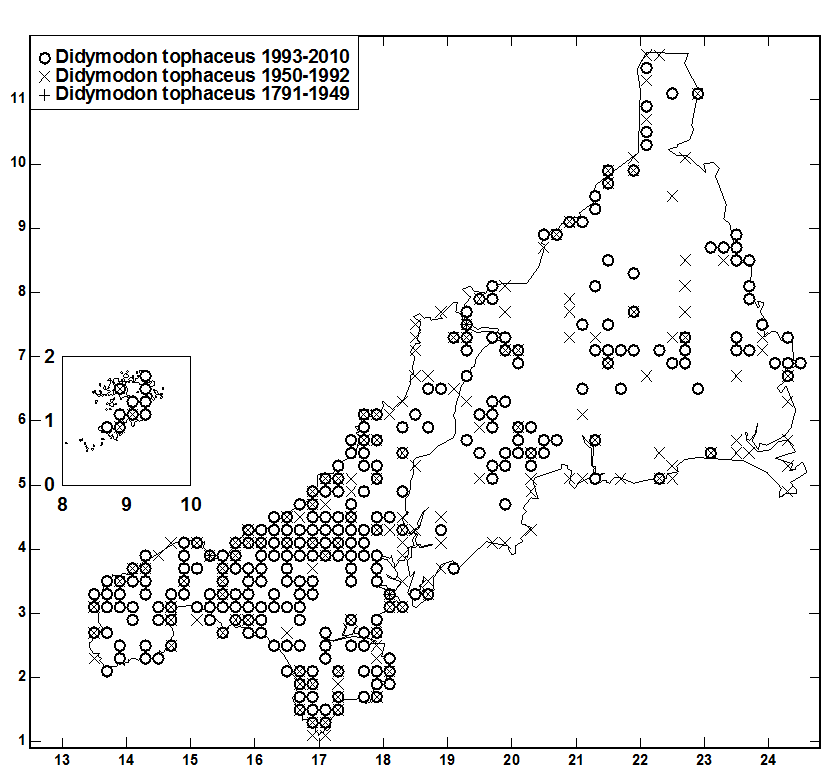
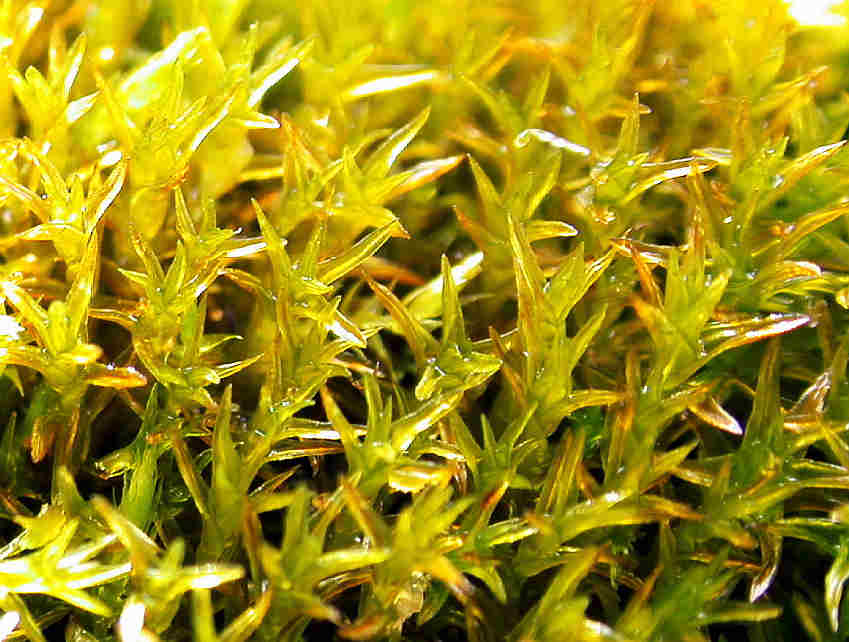
|
*1: Flushing near Falmouth, 1839, EAW (TRU) (Paton 1969a:
725).
*2: Rock near St Minver, before 1907, RVT (B) (Paton 1969a:
725).
Variable in growth form: commonest as scattered
stems less than 1 cm tall or growing into low lawns, but may
form denser patches or tufts, rarely (low on wet N.-facing
sea-cliff at Porthmeor Cove) forming dense swollen tufts
several centimetres high.
Notes on habitats in C&S are as follows.
Restricted to calcareous substrates and commonest in damp
places, but otherwise occurs on wide range of clay, silty or
sandy to loamy soils, mainly soft rocks (such as coastal head
deposits and shales, also serpentinite and, rarely, old
tarmac) and soft masonry (old mortar, crumbling concrete), on
overhanging, vertical, sloping or horizontal surfaces, or in
crevices. Often common in range of sites including coastal
banks, bases of sea-cliffs and creek-side cliffs, flushes on
and above sea-cliffs, in old quarries, sand pits, on masonry
of bridges and low on walls e.g. of ruins and bridges, bare
patches in coastal grassland, soil on old tracks and paths,
soil heaps, gravel car-parks, on 'hedges', laneside banks,
stream and river banks, and mud in marshes, flushes, quarries
and a dried pool. Most often grows fully insolated or in light
shade, less often moderately to rather heavily shaded (e.g.
inside woodland, in ruined buildings, at base of viaduct).
Withstands regular inundation in flood-zones of rivers,
growing low down beside middle reaches of R. Tamar and beside
tidal R. Camel below HWST level. It tolerates salt-spray well,
often occurring in exposed coastal sites, e.g. low on
sea-cliffs, and forming large patches on a rocky raised beach
below cliffs. Often plentiful on copper-contaminated
substrates, e.g. on mine-spoil and mortar of ruined mine
buildings. Also plentiful on horizontal sandy alluvium along
track near Red River, where
substrate probably copper contaminated. When growing on ground
it normally occurs in sparsely vegetated places, often as a
colonist of newly exposed soils, but the species is much more
persistent in many steep or rocky sites. It often grows in
pure patches, but also occurs mixed with many other low
bryophytes. Frequent associates include Amblystegium serpens
var. serpens, Barbula convoluta, Barbula unguiculata,
Dicranella varia,
Pohlia melanodon,
Pseudocrossidium
hornschuchianum, Trichostomum
brachydontium. Others recorded include Aneura pinguis, Bryum
pseudotriquetrum, Gyroweisia tenuis, Hymenostylium
recurvirostrum, Lunularia cruciata, Petalophyllum ralfsii.
In saline coastal and estuarine localities recorded alongside
Hennediella heimii
and Tortella
flavovirens and at base of Juncus
maritimus.
Commonly c.fr.: capsules immature 1-4, 6, 10-12;
dehiscing 1-3, 11; dehisced 1-7, 10.
DTH 98-80 seems to be an atypical form of this species
with acute, lanceolate leaves, but its identity is
questionable.

|